







Image sourced from Pexels
Synthetic identity fraud is a rapidly growing online threat. Cybercriminals now use AI and machine learning to create and manipulate personal data. With traditional identity theft evolving, fraudulent activities are becoming harder to detect.
Cyber security education helps prevent synthetic identity fraud. Individuals and businesses can take proactive steps to protect themselves by understanding how fraudsters create and exploit synthetic identities.
In this article, we will take a deeper dive into what synthetic identity fraud is. We will also share practical tips on staying ahead in fraud prevention.
Understanding Synthetic Identity Fraud
Cyber criminals continuously evolve their tactics, so getting familiar with synthetic identity fraud is important. According to a Regula survey, 46% of fraud detection and prevention experts have encountered synthetic identity fraud. Advancements in AI have further empowered fraudsters to produce more realistic synthetic profiles that can bypass conventional security measures.
The two main types of online synthetic identities are:
Manipulated Synthetics
Manipulated synthetics involve taking a real person’s identity and slightly altering the information to create a variation of the original. For example, a fraudster might change the last digit of an identification number or modify an address while keeping the rest of the details intact. This allows them to pass initial identity verification checks while maintaining a connection to a legitimate identity. Strengthening customer verification processes can aid in detecting these subtle manipulations. With advanced authentication methods, you can help identify inconsistencies and prevent fraudsters from bypassing security measures.
Manufactured Synthetics
Manufactured synthetics are entirely fake identities created from scratch using fabricated details. These identities may include AI-generated names, addresses, and identification numbers that have never been issued by any government agency. Since these identities do not belong to real people, they are often harder to track. They are also the preferred tool for large-scale financial fraud.
Strengthening Fraud Prevention through Cybersecurity Education and Technology
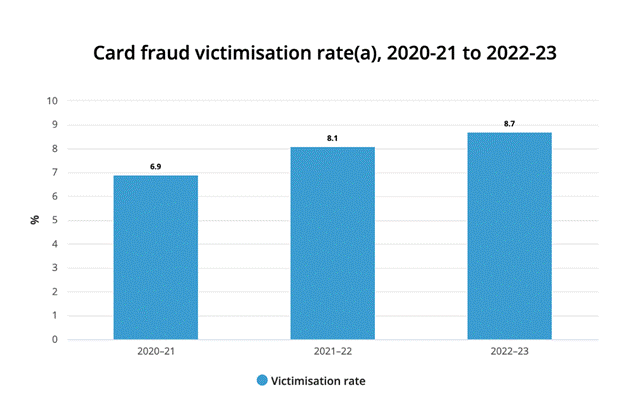
Image sourced from Australia Bureau of Statistics
Part of staying ahead of evolving fraud tactics is through cyber security education. As cybercriminals exploit human errors, staying aware and proactive learning is key to prevention. According to the Australian Bureau of Statistics, from 2022 to 2023, 8.7% of Australians (1.8 million people) experienced card fraud, highlighting the growing threat. A well-informed workforce, customer base, and individuals can recognize and respond to risks before they cause financial or reputational damage.
To combat online fraud effectively, individuals and organizations must strengthen their defenses through cybersecurity education and advanced technology. Here are some key fraud prevention efforts that can help reduce risks posed by cybercriminals.
Educate Individuals on Fraud Prevention
Raising public awareness about fraud schemes empowers people to recognize and avoid scams. Education helps individuals protect their personal data and make informed decisions about online security.
Enroll in a popular cyber security degree online to gain essential skills to combat digital threats effectively. These programs cover topics like ethical hacking, data protection, and network security that prepare graduates for careers in cybersecurity.
Online learning provides flexibility so individuals can gain expertise while balancing work or personal commitments. By choosing a popular cyber security degree online, students can stay ahead of evolving cyber risks and contribute to a safer digital environment. Here are some effective learning practices:
- Phishing Awareness. Teach individuals how to identify phishing emails, text messages, and fraudulent websites.
- Password Security. Encourage the use of strong, unique passwords and multi-factor authentication (MFA) for all accounts.
- Data Privacy Best Practices. Educate individuals on managing personal information. Limit personal information shared on social media and adjust privacy settings for better security.
Enhance Security Measures for Businesses and Financial Institutions
Businesses and financial institutions must implement strict security protocols to prevent fraud, including document fraud, which remains a significant threat. By strengthening internal defenses, you reduce the risk of data breaches and unauthorized access. The following are effective ways to improve security measures:
- Regular Employee Training. Conduct cybersecurity workshops and simulated phishing exercises to improve staff awareness.
- Multi-Factor Authentication (MFA). Require MFA for system access to add an extra layer of protection against unauthorized logins.
- Fraud Detection Systems. Implement AI-powered monitoring tools that analyze transactions and detect unusual patterns.
Leverage Technology to Detect and Prevent Synthetic Identities
Advanced technology helps identify and stop fraudulent activities before they cause harm. AI and machine learning can detect synthetic identities that traditional security measures may overlook. Here are effective ways to proactively combat fraud with technology:
- Behavioral Biometrics. Use keystroke dynamics and mouse movement patterns to detect fraudulent users online.
- Identity Verification Tools. Deploy facial recognition, fingerprint scanning, and document authentication to confirm identities.
- Real-Time Monitoring. Implement AI-driven transaction monitoring to flag suspicious activities immediately.
Prevent Synthetic Identity Fraud with Cybersecurity Education
Online synthetic identity fraud is a growing challenge and the best way to combat it is to stay proactive with cybersecurity & fraud prevention knowledge. Criminals exploit evolving technologies to create fake identities so we must do everything we can to detect and mitigate these threats.
Empower your business with innovative security tools that enhance fraud prevention while ensuring compliance. Invest in continuous learning and leverage cutting-edge technology to protect your online operations and customers from synthetic identity fraud. Take it from this article and stay vigilant. Invest in cybersecurity education today and apply our adaptive defense strategies.