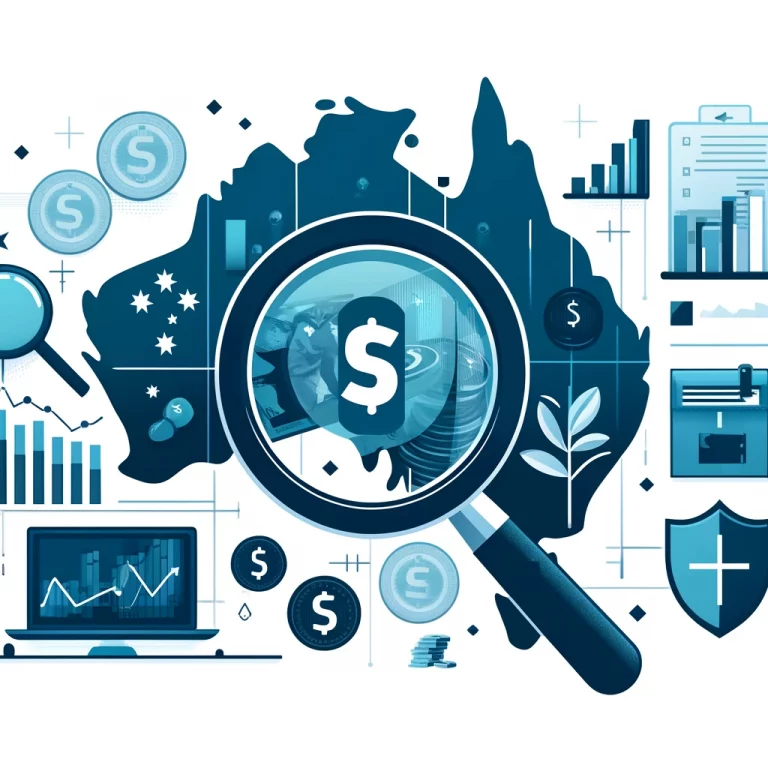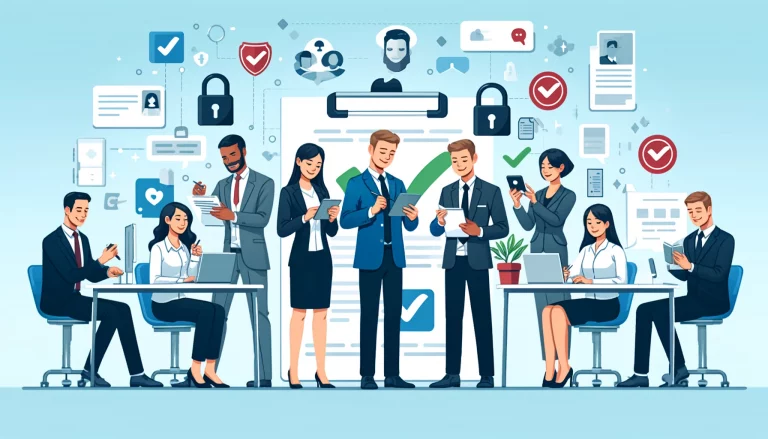








Businesses are increasingly accessing and verifying consumer data for identity verification and KYC purposes. This practice has many benefits, including improved security and fraud prevention. However, it also raises important privacy concerns.
In this article, we will examine how businesses are using consumer data for identity verification and KYC.
How businesses are using data: identity verification and KYC
In the current business landscape, data has never been so important. Businesses are using specific kinds of data for all sorts of purposes, from identity verification to KYC (know your customer) compliance. Here’s a look at how businesses are using data to stay compliant and protect their bottom line.
In the digital era, identity verification is a vital component of doing business. With so much of our lives taking place online, businesses must ensure that their potential customers are who they say they are and are not impersonating someone else. This is where identity verification comes into play. Businesses may ensure that they are working with the proper and authorised individual by validating a customer’s identification. IDV, as it is often known, is widely utilised but not legally needed in all business circumstances.
KYC compliance is another important way that businesses are using data. In order to comply with KYC regulations, businesses need to access or verify certain information about their customers. This includes things like name, address, and date of birth just to name a few. By collecting this information, businesses are protecting themselves and will ensure that they’re dealing with the right person. They will legally safeguard themselves and help in the preventing of identity theft, money laundering, financial fraud, terrorism financing, and other financial crimes. KYC compliance is a major part of doing business in the modern era and having a 360-degree view of a customer is only available from data.
How Consumer Data Is Used for Identity Verification
Most people are aware that their personal data is collected and used by companies for Identity Verification and also for other purposes.
When you provide your personal information to a company, they will often use it to verify your identity. This is done by matching the information you provide with public records and other data sources they have in their ‘waterfall’ of data resources. This helps to ensure that you are who you say you are and helps to prevent fraud. Companies will now trust you and proceed with the potential transaction.
Companies may also use your personal data for other purposes. For example, if you provide them with your email address, they may send you promotional material or targeted ads. While this can be annoying, it is important to remember that companies would not be able to do this if you did not first provide them with your consent to do so. Let’s also not forget that millions of consumers across the world do consent to their personal information being used for specific purposes such as marketing and not just Identity Verification. They often agree to this, typically for some kind of incentive or reward.
We must also remember that the worldwide economy spins on consumer spending from marketing and without consumer data being commercially available to enterprise, the B2B economy would fail which would have disastrous results on employment, particularly for the SME sector. However, responsible data handling, storage and consumer consent to use the information beyond its intended purpose is crucial.
Why KYC Depends on Consumer Data
As the world increasingly moves online, so too do our interactions with businesses. From e-commerce to social media, we share more of our personal data than ever before.
This trend is also true when it comes to financial institutions. In order to comply with Know Your Customer (KYC) regulations, banks and other financial organizations must collect certain identifying information from their customers.
But where does this information come from? In many cases, it comes from consumer data. By understanding what consumer data is and how it can be used, financial institutions can improve their KYC compliance efforts.
Consumer data is any type of information that relates to an individual person. This can include everything from contact information and demographics to purchase history and online behaviour.
Banks and other financial institutions can use consumer data to verify the identity of their customers and assess risk in opening bank accounts and transacting with them.
How consumer data helps businesses make decisions
In the past, businesses made decisions based on instinct and experience. But today, data plays a vital and significant role in how companies operate. By understanding consumer behaviour, businesses can make more informed decisions that lead to better outcomes. Less risk and better ROI.
Data helps businesses in a variety of ways. For example, companies can use data to understand what products or services customers are interested in. They can also use data to assess customer satisfaction levels and identify areas for improvement. Additionally, data can be used to segment customers and target them with specific marketing messages.
Consumer data is a valuable tool that can help businesses make smarter decisions. By leveraging data, companies can gain a competitive edge and improve their bottom line. As stated earlier, without consumer data for marketing, consumer awareness and spending would decrease and the B2B economy would significantly suffer. A good example is a MSP. Whilst it needs data to verify its potential clients and Identity Verification provides this, it also needs data to promote its services to local businesses. This is an example of where consumer data has a dual purpose, to verify customers through IDV and also for marketing, provided the consumer has consented.
The benefits of using consumer data: improved accuracy and efficiency
There are many benefits to using consumer data. One benefit is that it can help improve accuracy. With accurate data, businesses can make more informed decisions about their marketing and advertising campaigns. They can also target their messages more effectively to the right audience.
Another benefit of using consumer data is that it can help improve efficiency. With efficient data, businesses can save time and money by not having to waste resources on campaigns that are not reaching the right people. Additionally, they can use data to automate some of their marketing processes, which can further improve efficiency.
Overall, using consumer data has many benefits that can help businesses improve their accuracy and efficiency. By making use of these advantages, businesses can gain a competitive edge and better serve their customers.
The challenges of using consumer data: data privacy and security
As companies increasingly collect and store consumer data, they face new challenges in safeguarding that information. One challenge is data privacy, ensuring that consumers’ personal information is not mishandled or shared without their consent. Another challenge is data security, protecting against security breaches and cyber-attacks that could result in the loss or theft of sensitive data.
Data privacy concerns have been heightened in recent years by high-profile incidents involving the misuse of personal data. In some cases, such as the Cambridge Analytica scandal, data was collected without consumers’ knowledge or consent. In other cases, companies have been accused of sharing personal data without adequate protections in place to prevent unauthorized access.
The challenges of using consumer data are numerous and complex. The two most significant challenges are privacy and security.
When it comes to privacy, companies must be careful about how they use consumers’ personal data. If they’re not careful, they could violate consumers’ privacy rights. This could lead to legal problems for the company with regulators.
Security is also a major concern when it comes to consumer data. Companies must make sure that their databases are secure so that hackers can’t get access to consumers’ personal information. If hackers are able to get access to this information, they could use it for identity theft or other fraudulent activities.
The future of using consumer data: more widespread adoption
As the use of online tools like Global Data’s Caspar and Quester continue to grow, so does the potential for companies to collect and use consumer data. While some worry about the implications of this trend, others see it as a natural extension of the way businesses have always operated.
Critics of the widespread use of consumer data argue that it could lead to a loss of privacy and increased surveillance by corporations. They also point to the potential for misuse of this data, such as using it to manipulate consumers into spending more money.
Supporters of more widespread adoption argue that consumer data can be used responsibly and that the benefits outweigh the risks. They point to the fact that companies have always collected data on consumers, but now they have more sophisticated tools at their disposal. With proper safeguards in place, they believe that using consumer data can help businesses provide better products and services, help grow the economy through consumer spending and increase employment opportunities.
Some self-serving business owners and outspoken, self-proclaimed entrepreneurs, suggest restricting those that can play in the data market, motivated to eliminate competition, rather than increasing data privacy and security around data use. They may need to be careful what they wish for, as many of their business solutions rely on data and suppliers may quickly pivot to compete, rather than supply. The world is a big place and business owners will move their money and spending into another countries economy and away from where it cannot trade effectively.
Conclusion
In conclusion, businesses are increasingly using consumer data for identity verification, KYC purposes and also other related B2B activities. This is due to the fact that this data is more accurate and up to date than traditional methods such as paper records. As a result, businesses can verify the identities of their customers more quickly and efficiently. Additionally, this data can also be used to help prevent fraud and money laundering.