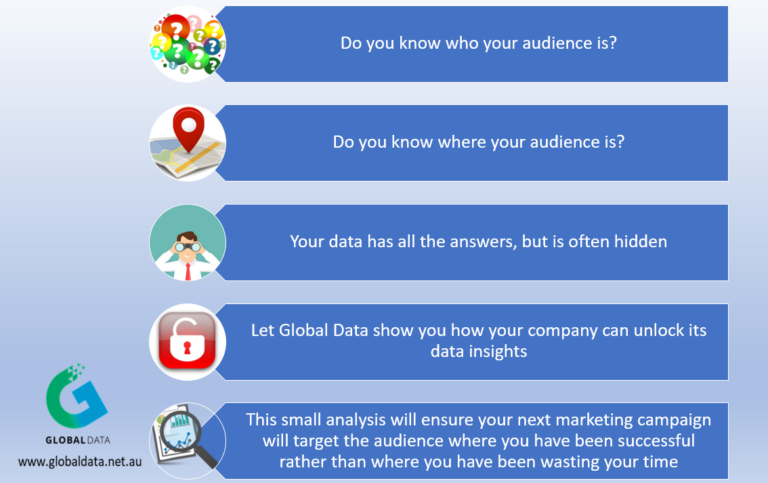








Are you looking for ways to improve your marketing strategy? Do you want to take advantage of the power of data-driven insights? If so, then this blog post is for you! We’ll show you how to use data to supercharge your marketing efforts and get the most out of every campaign.
Understanding the Power of Data-Driven Marketing
Data-driven marketing is an effective way to better understand customer needs and preferences. By leveraging data to gain insights, you can tailor your marketing strategies to target specific audiences and create more effective campaigns.
Data-driven marketing can help you understand customer behaviour, identify trends, anticipate customer needs, and develop more effective messages. Additionally, it can help you identify target markets, adjust your campaigns according to customer feedback, and generate higher ROI from your campaigns.
The data available today provides invaluable insights that can help you create better messaging that resonates with potential customers, expand your reach, and increase conversions.
Gathering Data to Identify Opportunities
Data analysis is key to understanding consumers and what drives them. By collecting data from multiple sources, such as Quester, surveys, focus groups, market research, and analytics, businesses can identify opportunities and develop more effective marketing strategies.
For example, by gathering data about customers’ interests, needs, and preferences, businesses can create targeted campaigns to address those needs. Using predictive analytics, businesses can also identify potential target markets and analyse the effectiveness of their campaigns.
This data helps companies refine their marketing plans to gain a competitive edge. With the right data-driven insights, businesses can create more effective campaigns and identify new opportunities for growth.
Understand the Types of Data Available
Data is the lifeblood of any successful marketing strategy. It provides insights into how customers interact with your brand, what their preferences are, and what kind of messages will be effective. By understanding the types of data available, you can develop a comprehensive strategy that meets customer needs, identifies target markets, and mitigates risk.
There are several types of data that can be used to fuel your marketing strategy. This can include customer demographics, purchase histories, and market research. Demographics are important for understanding who your customers are and where they are located. Purchase histories provide insights into what kind of products or services they have purchased in the past, which can help you tailor your messages accordingly.
Market research is essential for gaining insights into customer opinions and for identifying new opportunities in the marketplace. Additionally, you can use consumer data to understand risk and to evaluate and mitigate it. By leveraging all these different sources of data, you can gain a comprehensive understanding of who your customers are and what they want.
Select the Right Data Sources
When it comes to selecting the right data sources, it’s important to ensure that you’re accessing reliable, authentic data that is up to date. This means researching data sources and understanding what types of data they offer. It could be consumer data, customer feedback, market research, or any other type of relevant data. Once you know what type of data you need, you can begin to identify the best sources for this information.
These can include Quester, surveys, polls, focus groups, and more. Additionally, you should consider leveraging external sources such as the latest industry trends and reports to gain further insights.
By combining both external and internal intent data sources, sales and marketing teams can supercharge their lead generation strategy and gain an edge over the competition.

Using data to pinpoint target markets
Data-driven marketing is a powerful tool that can help you better understand your customers and target markets. By leveraging data, you can identify and segment potential customers, pinpoint their preferences, and create more personalized experiences.
This helps you build stronger relationships with your target markets and maximize the effectiveness of your marketing campaigns. Data-driven marketing can help you meet your goals and objectives by providing the insight needed to make smart decisions.
Leveraging Consumer Data to Understand Risk
When it comes to understanding risk, leveraging consumer data is essential. By collecting data signals from various sources, including driving, purchase history, and behavioural data, you can gain a full 360-degree view of your customers.
This can help you identify upsell and cross-sell opportunities, tailor messages to your prospects based on their interests, and understand their risk profile.
Having this information at your fingertips can help you make informed decisions on which markets you should target, what kind of messaging will resonate with them, and what the potential risks are in any given situation.
With the right data in place, you can make informed decisions that will help take your marketing strategy to the next level.
Exploring the Benefits of Leveraging Consumer Data
The power of data-driven marketing is undeniable, and it’s becoming increasingly important for brands to leverage consumer data to better understand their customers and maximize their marketing efforts. But understanding the benefits of leveraging consumer data can be daunting.
Luckily, there are several key benefits to leveraging consumer data that can help you gain a competitive edge. By leveraging data, you can identify customer needs and target markets with greater accuracy, better understand risk and tailor your messages to the right people.
You can also clean, organize, and manage your data in order to maximize efficiency and gain real-time insights. Ultimately, leveraging consumer data can lead to more informed decisions, more successful campaigns, and increased profitability.
Using Data to Evaluate and Mitigate Risk
Using data to evaluate and mitigate risk is a key component of any marketing strategy. By collecting and analysing data, marketers can accurately assess potential risks and take steps to minimize them.
Additionally, with the right data in hand, marketers can evaluate risk and develop campaigns that maximize ROI while minimizing those potential risks.
Collecting and Analysing Data to Tailor Messages
Once you’ve identified the data sources to use for your marketing strategy, it’s time to start collecting and analysing that data. This is where analytics come in. Analytics helps you understand the behaviour of your target audience and how they interact with your brand. It can also provide insights into customer preferences, trends, and interests so you can tailor your messages accordingly.
With analytics, you can develop a deep understanding of your audience and create more effective campaigns. You can also use analytics to measure the success of each campaign, allowing you to optimize it for maximum impact.
Understand the data you have
Once you have identified the data sources you want to use, it’s time to understand what data you have and how to best utilise it. Collecting and analysing data is time consuming, so it’s important to make sure you are gathering the right information that will help you reach your goals.
Analysing data can give you a wealth of insights into your customers, their needs, and how they interact with your brand. You can use this information to tailor your messages and create campaigns that will resonate with them.
Once you have the data, clean and organize it so that it can be used efficiently. This will help ensure that all your customer interactions are tailored to their individual interests and needs.
Create Targeted Messages Based on Data Insights
The power of data is in its ability to provide insights into customer behaviour. Analysing this data can help you create targeted messages that will have a greater impact on your audience. With the right kind of data, you can get an understanding of how customers think and act so that you can craft messages that are personalized and relevant to them.
By leveraging the power of data, businesses can unlock valuable insights about their target audiences, allowing them to create tailored messaging strategies that speak directly to their customers’ needs and interests.
Businesses use these kinds of messages to increase visibility, grow relationships with customers, and influence purchase decisions. With the right kind of data analysis, businesses can put together powerful campaigns that deliver results for their business goals.
How to Clean, Organize, and Manage Your Data
As important as it is to collect and analyses data, it’s equally important to make sure that the data you have is clean and organized. This is known as data washing. Data washing can help you identify any areas where the data may be incomplete or inaccurate, as well as any areas that need further analysis.
Once you have identified these areas, you can begin to organize your data for maximum efficiency. This could include grouping data into categories, creating a system for classifying data, or creating a searchable database like Caspar and Quester.
Organizing your data will not only help you gain insights from it faster and more accurately, but it will also make it easier to manage your data in real-time.
The importance of Data washing
Data washing is a vital step in data management and is the key to ensuring that your data is clean, accurate, and up to date. It involves verifying, cleaning, and updating records to remove any obsolete or inaccurate information. Data washing can be done in a variety of ways, such as deleting old records or using data profiling to generate scoring models.
By embracing data washing, you can be proactive and ensure that the data that flows into your systems of records are accurate, reliable, and comprehensive. This process helps to improve the quality of your data which can lead to better insights into customer behaviour and better decision making.
Clean customer data also improves almost every aspect of your business, from being able to send targeted marketing emails or ads to tracking and managing non-marketing contacts. Therefore, it is essential to set up a data cleansing process to fix any data issues and keep your database lean and accessible.
Organising Your Data for Maximum Efficiency
Organising your data for maximum efficiency is essential in today’s digital world. To ensure that data is properly organised, it is important to remove any duplicates or irrelevant information.
As mentioned previously, this process is referred to as data washing and can help you make the most of your data and keep it up to date while ensuring its accuracy.
Data washing involves identifying and removing inaccuracies or redundant records. It also involves processing changes that have occurred since the last update such as address updates, name changes. We also recommend conducting an Australian death check on records if needed.
By doing this, you can avoid sending out mailers to deceased persons or incorrectly addressed mailings which could lead to potential legal issues for your business.
Conclusion
In conclusion, using data to inform your marketing strategy can transform your business. It helps you find the right customers, target them with relevant messages and adjust strategies based on results. Data-driven decision making can save you time and money while improving your overall ROI. By keeping an eye on the key performance indicators, you can anticipate